

Will Trump Kill Globalisation? The Future of Global Trade Under Scrutiny
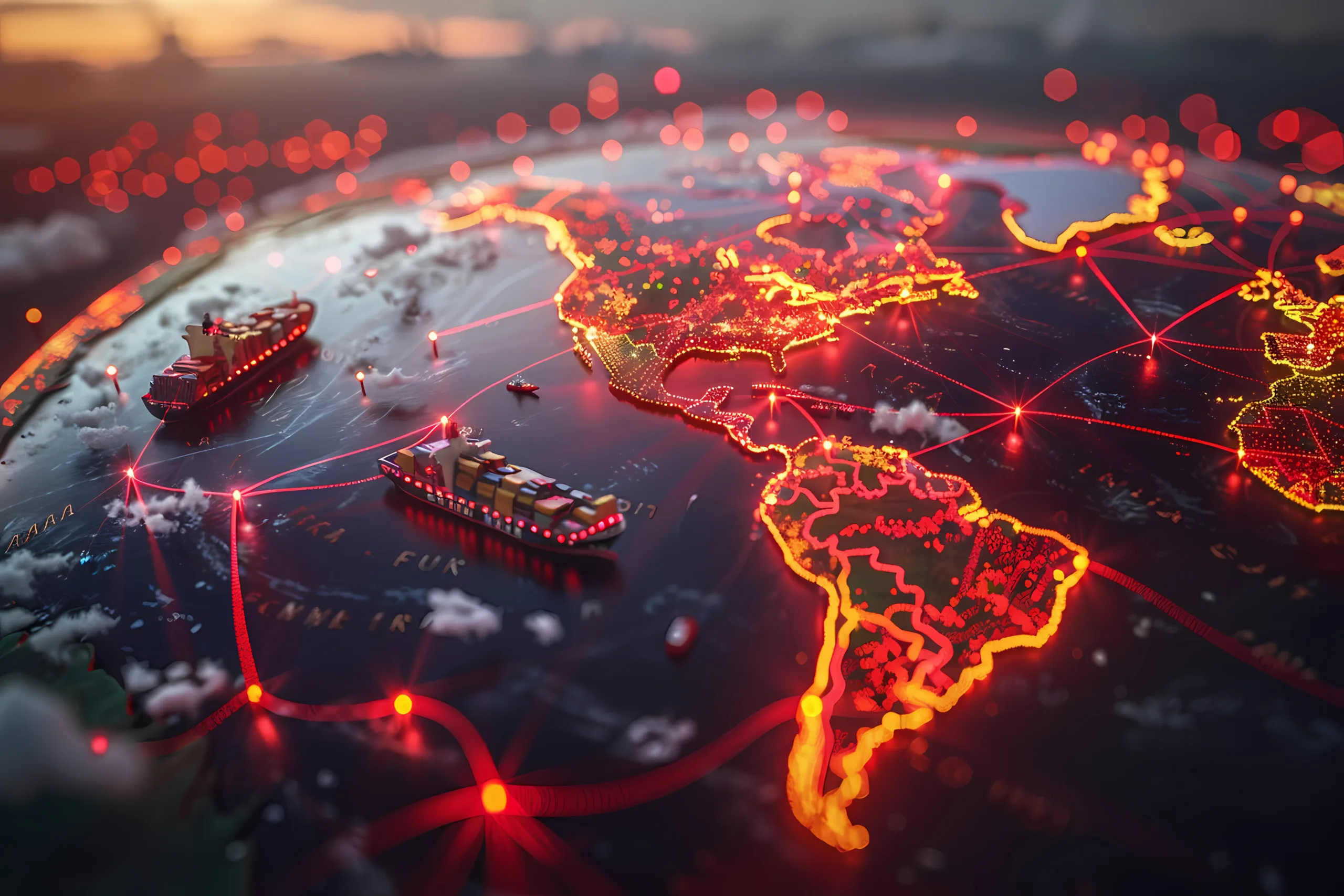
In today’s interconnected world, it’s common to sip on a Mexican beer, wear a Vietnamese-made t-shirt, stream a U.S. series on Netflix, and scroll through it all on a Chinese-made smartphone—perhaps while relaxing at a Parisian café. These everyday habits reflect just how deeply globalisation is woven into our lives.
But with Donald Trump’s return to the political spotlight, questions are resurfacing about the future of this global order. During his presidency, Trump championed “America First” policies, imposed tariffs on major trading partners, and withdrew from international agreements, raising fears about the unraveling of global trade networks.
Analysts warn that another Trump term could bring renewed trade wars, manufacturing reshoring, and a sharp shift toward economic nationalism. While some argue this could protect domestic industries, others see it as a threat to the efficiencies, innovations, and cultural exchange enabled by global trade.
As the world braces for another possible Trump presidency, the debate grows louder: Is globalisation at risk, or will it adapt and endure?